
Ayahuasca Divine Mother Medicine
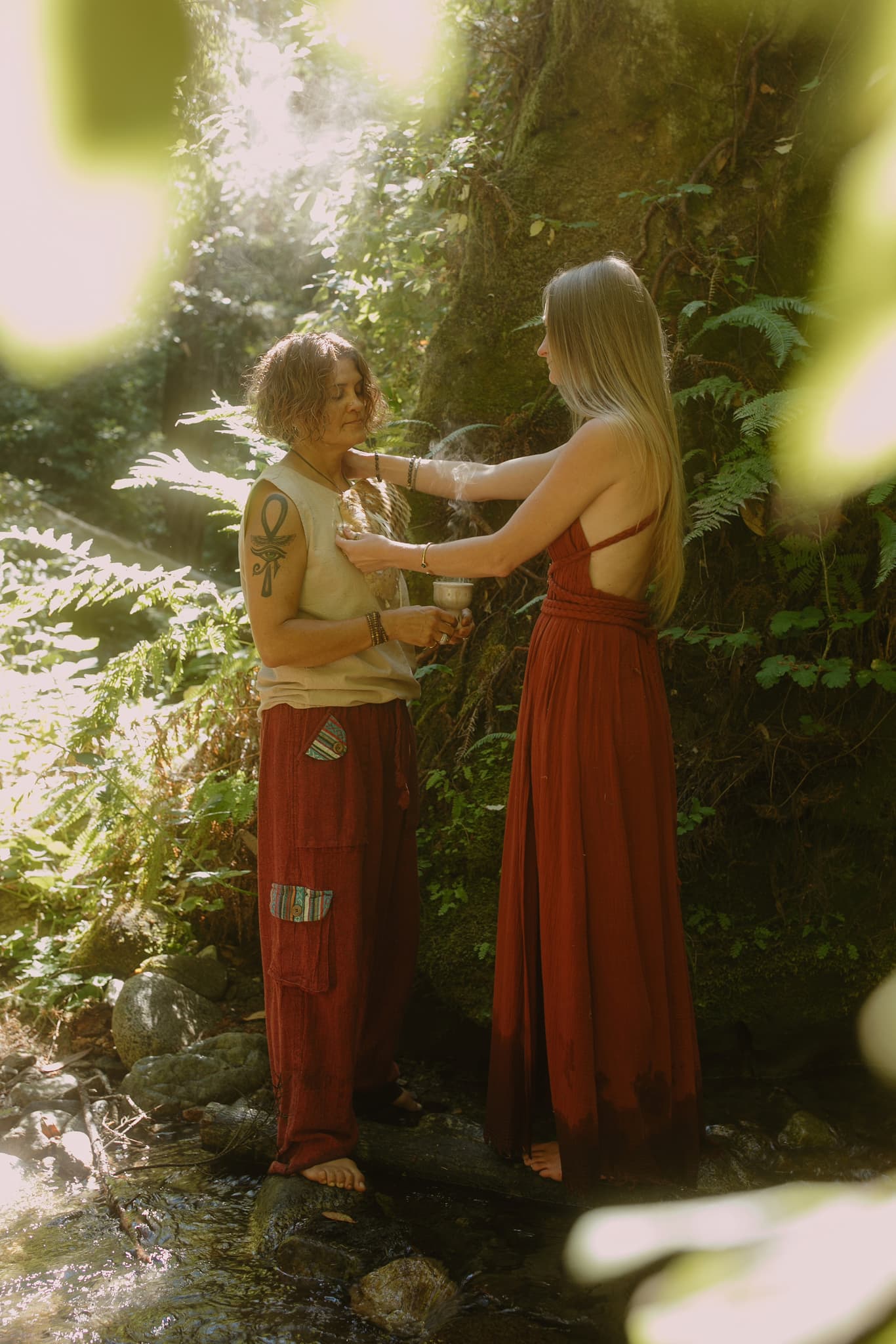
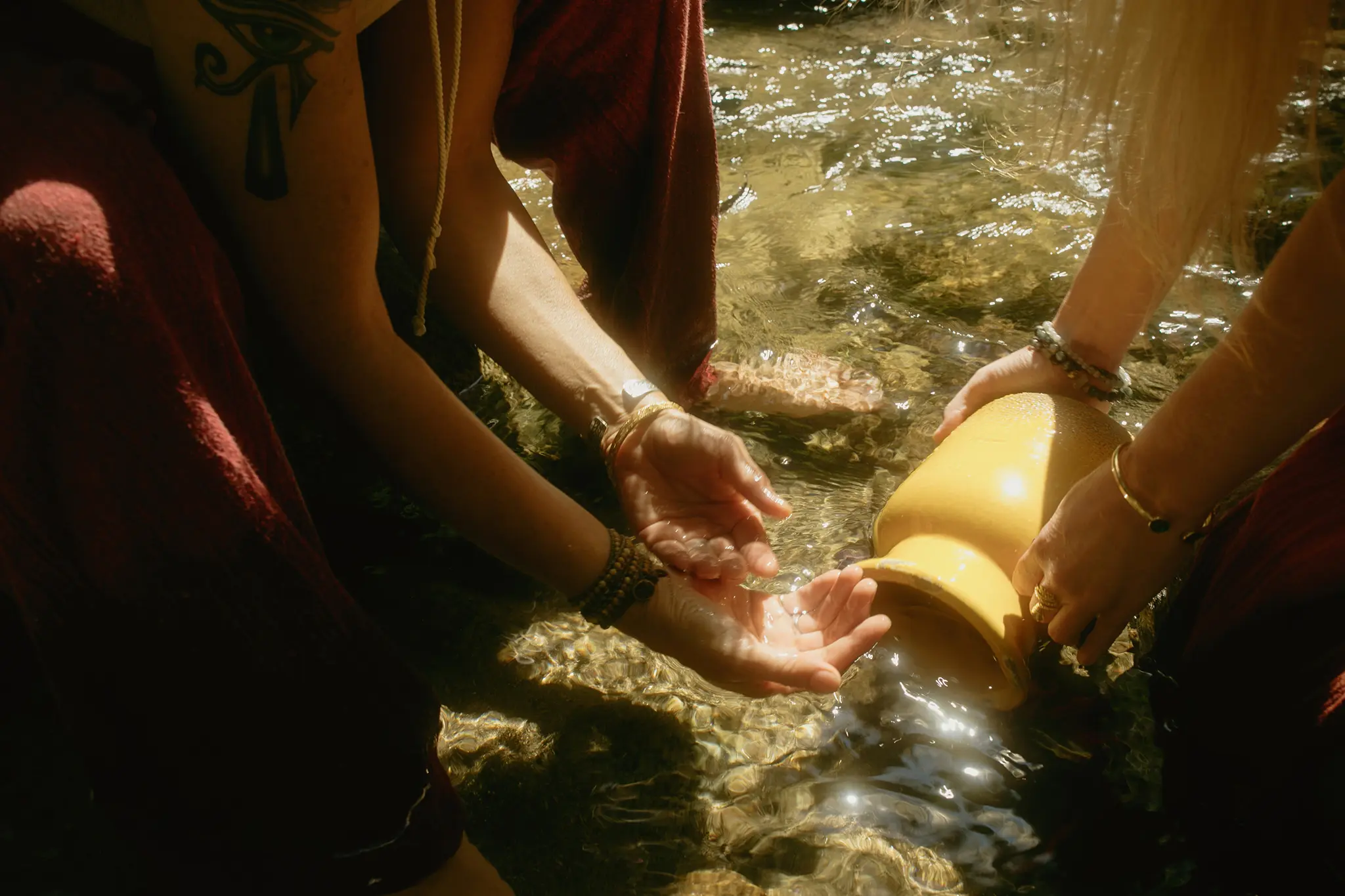
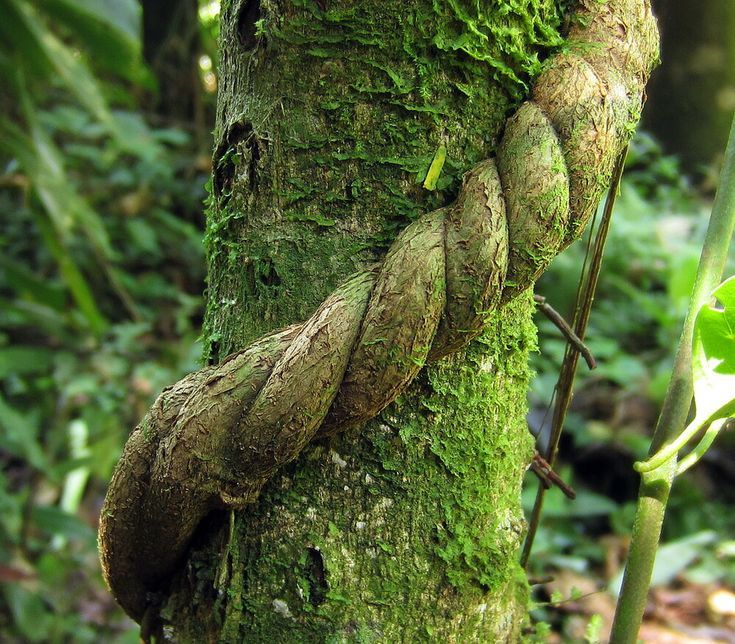
The Medicine Ayahuasca is a psychoactive plant medicine that has been used for centuries by indigenous communities in the Amazon rainforest for spiritual, medicinal, and ceremonial purposes. The word "ayahuasca" is derived from the Quechua language, where "aya" means soul or spirit and "huasca" means vine or rope. Therefore, "ayahuasca" can be translated to mean "vine of the soul" or "vine of the spirits." The medicine is traditionally made by a lengthy brewing process that involves cooking the ayahuasca (Banisteriopsis caapi) vine with the chacruna (Psychotria viridis) shrub, which contains the psychoactive compound dimethyltryptamine (DMT). The ayahuasca vine contains a compound called monoamine oxidase inhibitor (MAOI) which keeps the DMT in the chacruna from being broken down in the stomach before it can be absorbed by the body. The combination of these two sacred plants results in a potent medicinal brew that induces altered states of consciousness, vivid visions, and intense introspection.

Bufo Divine Union Medicine
Bufo, also known as Sapito, is the psychoactive substance derived from the venomous secretions of the Sonoran Desert toad (Bufo alvarius). Its use has a history in some indigenous Mesoamerican cultures where it has been used in shamanic and healing practices. Close up of a Bufo alvarius, the frog that produces Bufo. The ceremonial method of using Bufo alvarius secretions involves drying the toad's venom and then vaporizing it. The vapor is typically inhaled for a short duration to induce intense and transformative psychedelic experiences. Although the secretions are toxic if ingested, they are non-toxic when vaporized and inhaled, as the toxins are heat sensitive and destroyed during the vaporization process. The substance secreted by the toads contain a potent natural psychoactive compound known as 5-MeO-DMT (5-Methoxy-N,N-Dimethyltryptamine), which is heat stable and is the primary psychoactive compound in this medicine.
San Pedro/ Huachuma Divine Grandfather Medicine
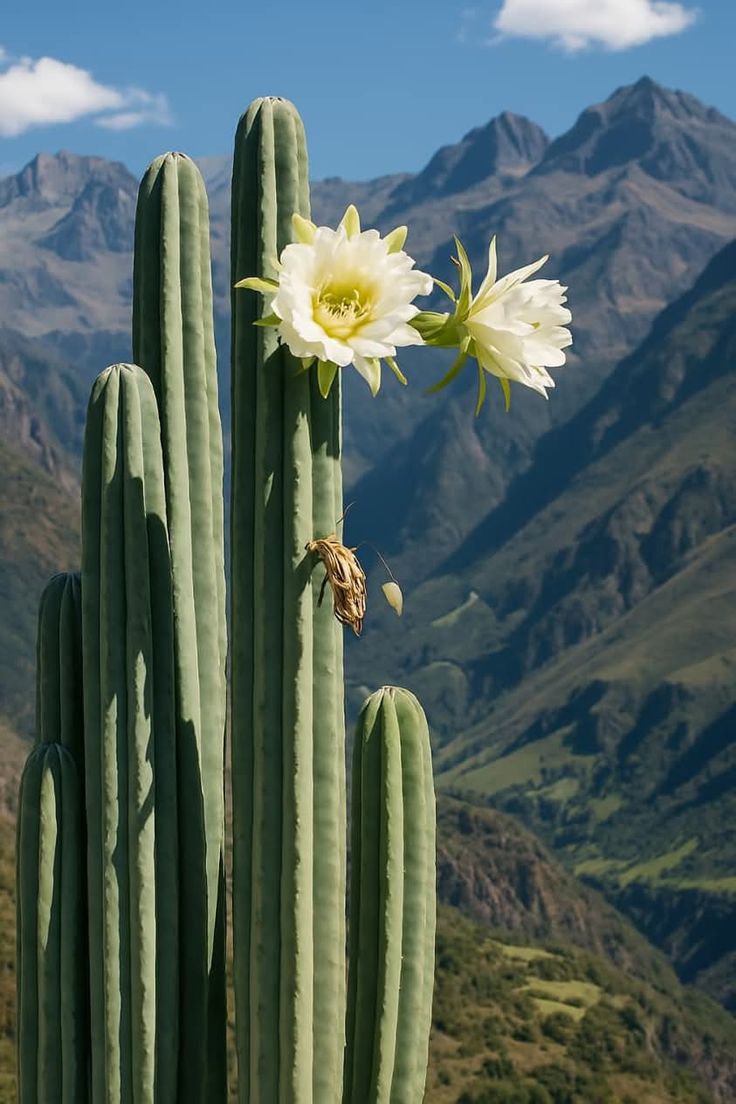
San Pedro, scientifically known as Echinopsis pachanoi, is a columnar cactus native to the Andes Mountains in South America. It has a long history of traditional use in healing and shamanism, primarily among indigenous peoples in the Andean region, especially in Peru and Ecuador. San Pedro is also often referred to by its native Quechua name, Huachuma. Although San Pedro is considered to be a divine masculine medicine, specifically representing the energy of the grandfather, Huachuma is considered to be the feminine aspect of the plant.
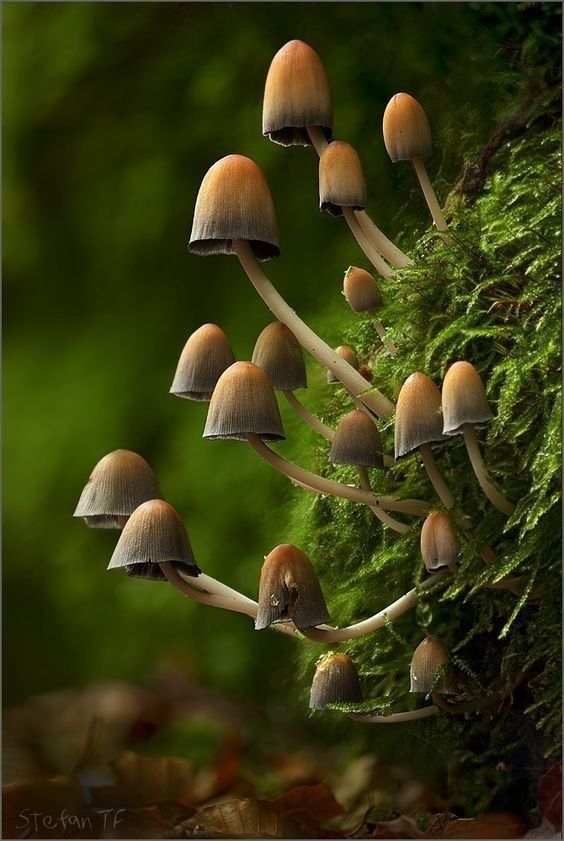
Niños Santos Psilocybin mushrooms
Psilocybin mushrooms, also known as psychedelic or magic mushrooms, have been used for centuries for their psychoactive effects. The use of these mushrooms is deeply rooted in various cultures around the world, and they are still currently used in religious and shamanic rituals by the Mazatec people in Mexico. The Mazatec's refer to these mushrooms as niños santos, translated to "holy children" due to the playful, childlike nature of this medicine, and its ability to help us connect with and heal our inner child. Niños santos are a beautiful way to connect deeply both with the body and the spirit worlds. Sitting with this medicine can help us remember the interconnectedness of all living things and the oneness that we are each part of. This medicine also has profound healing capacity for both physical and psychological ailments, including those resulting from early traumas.